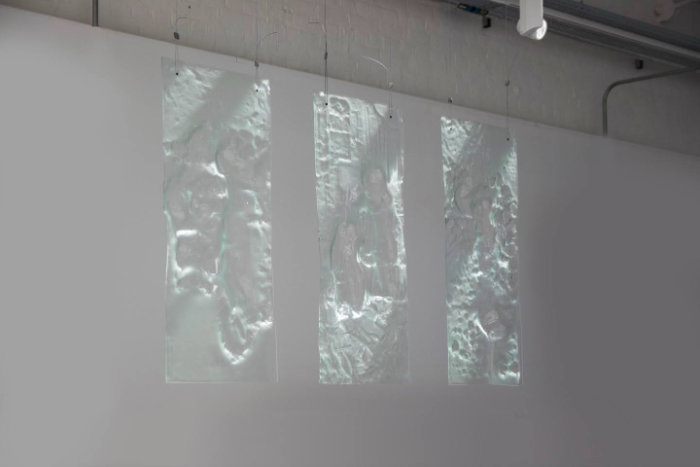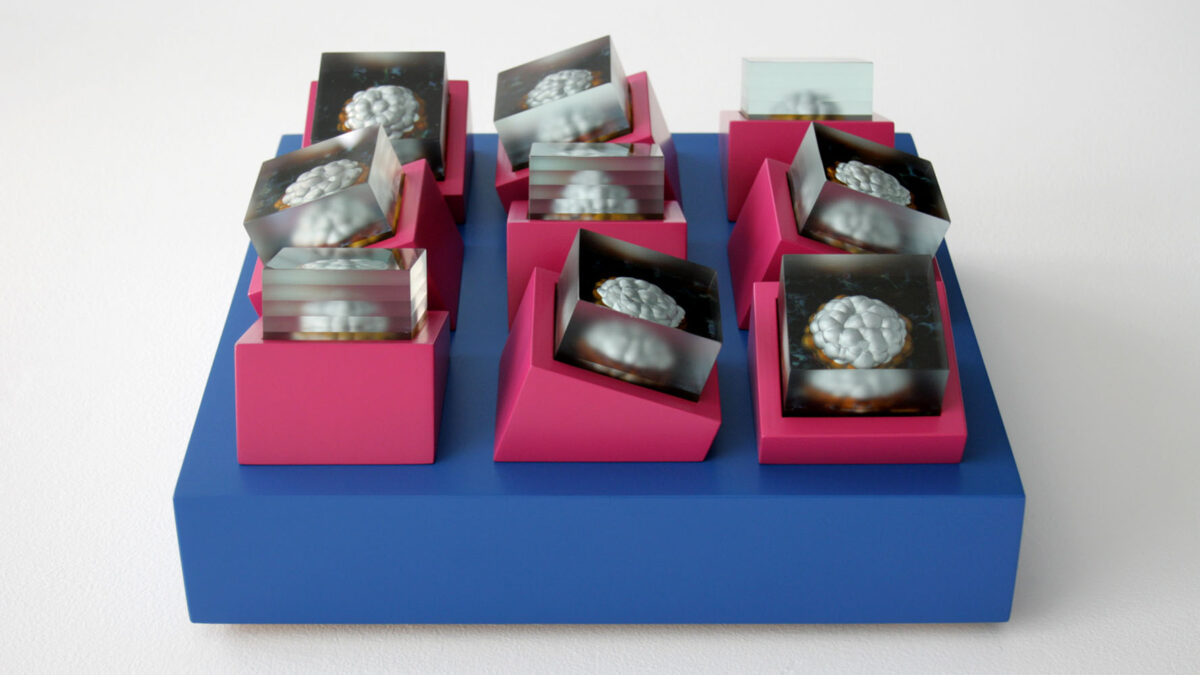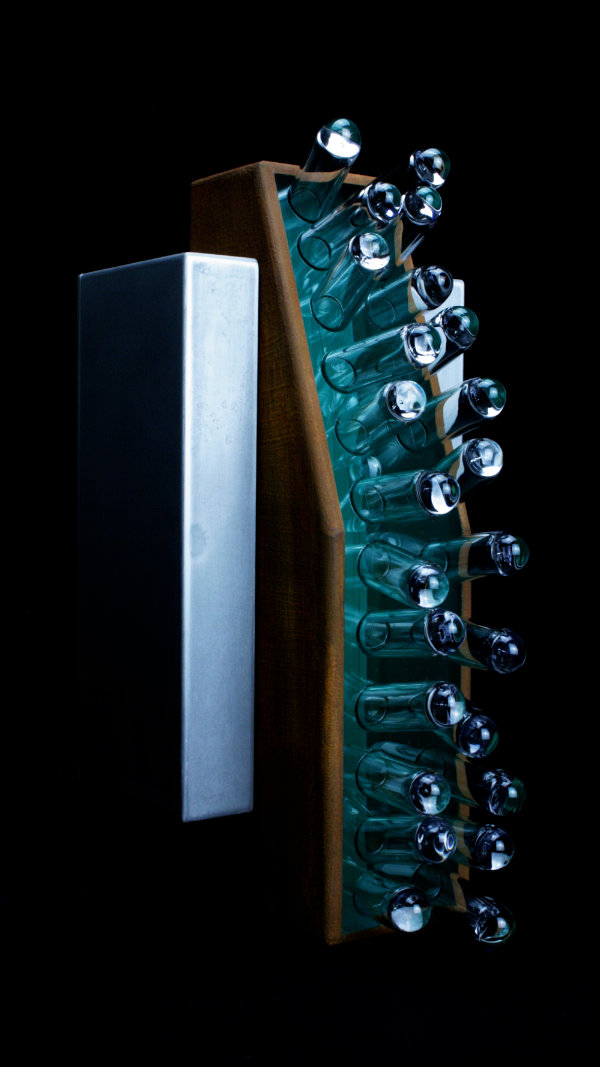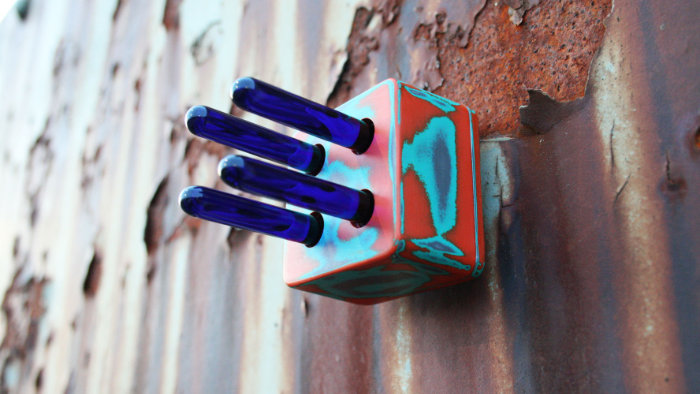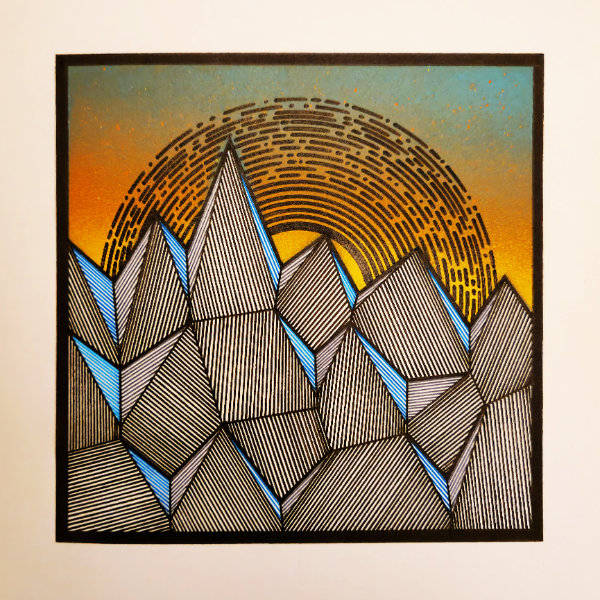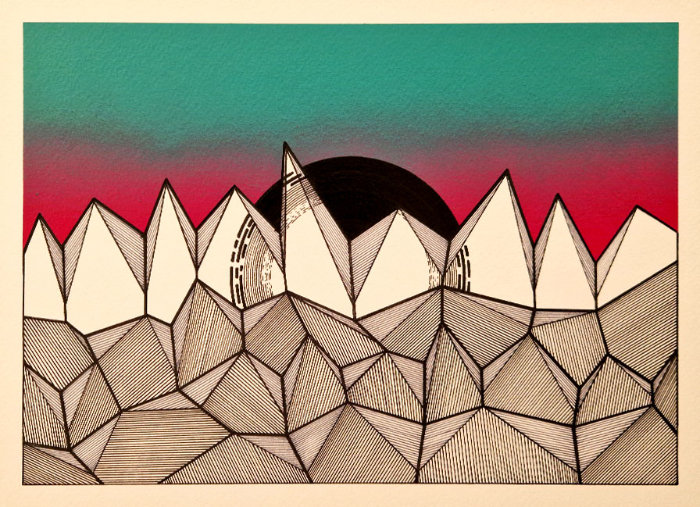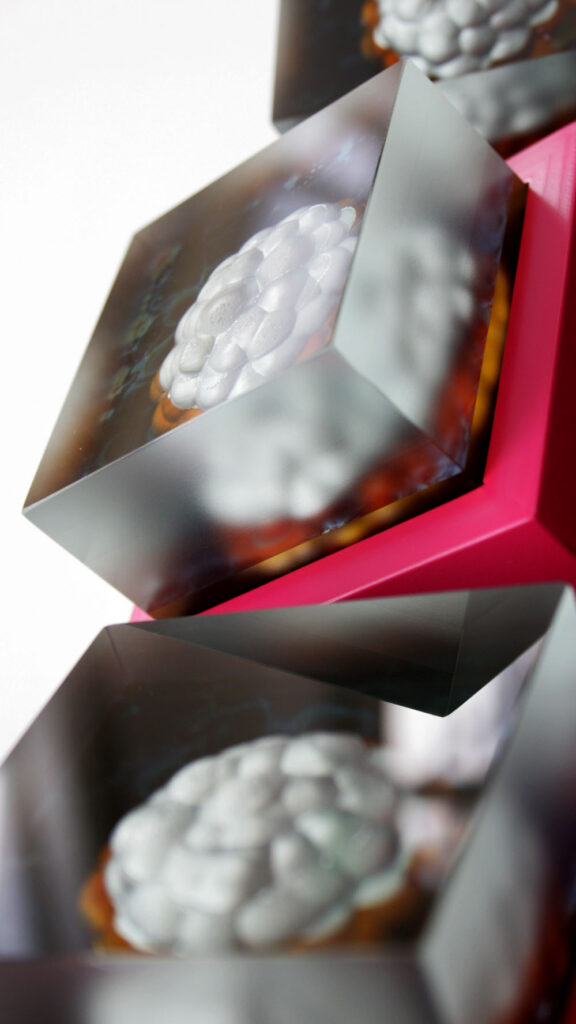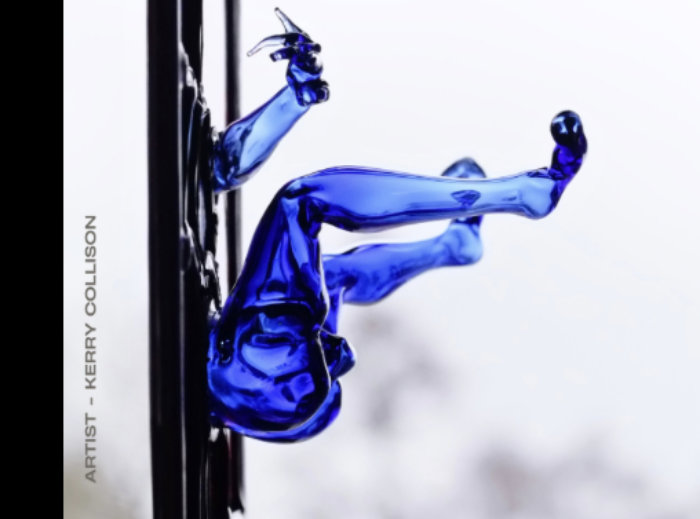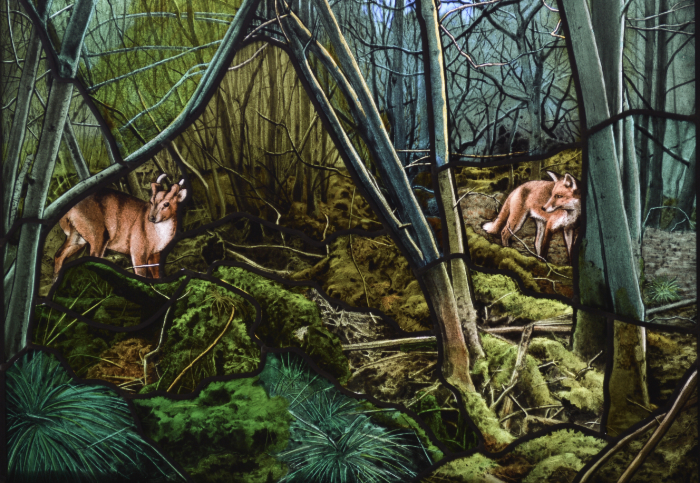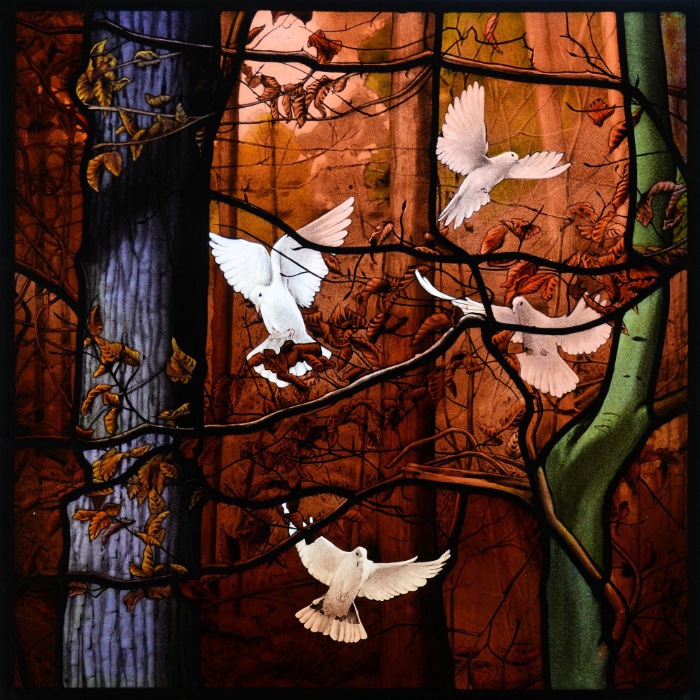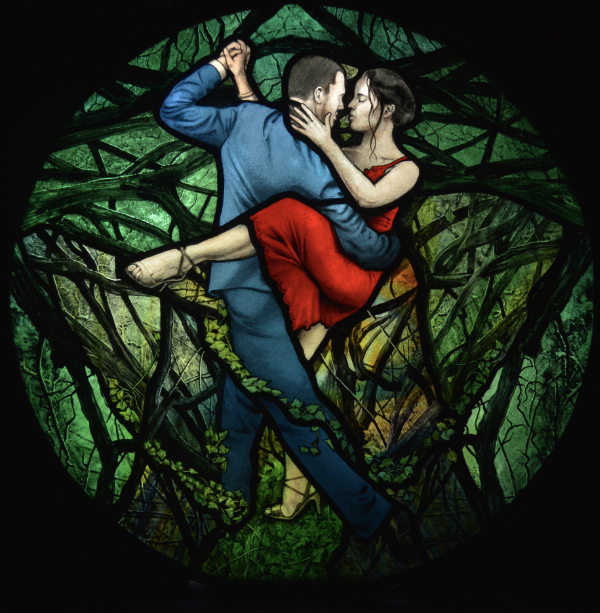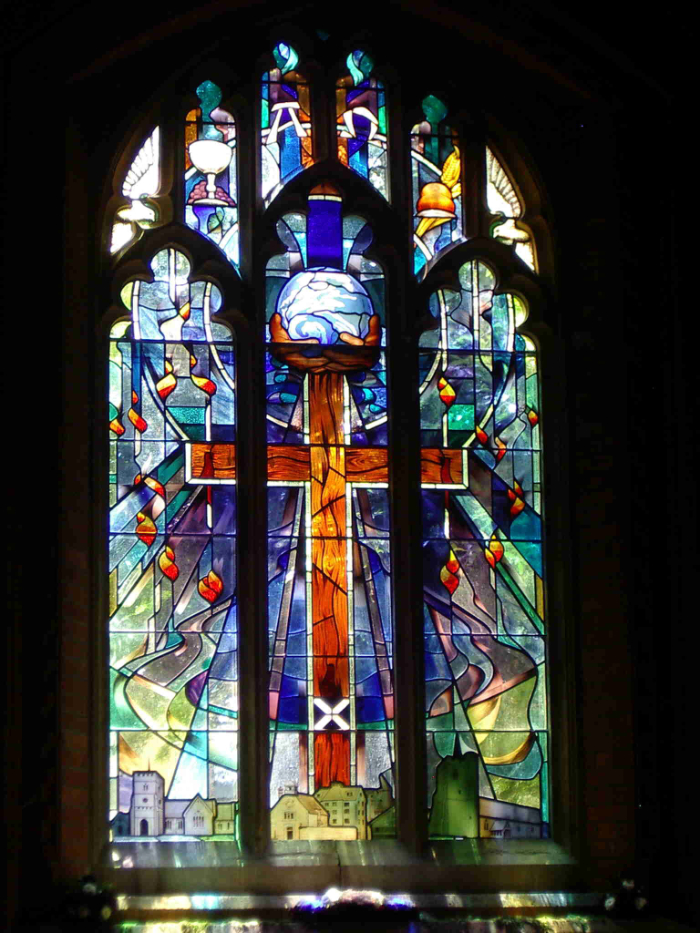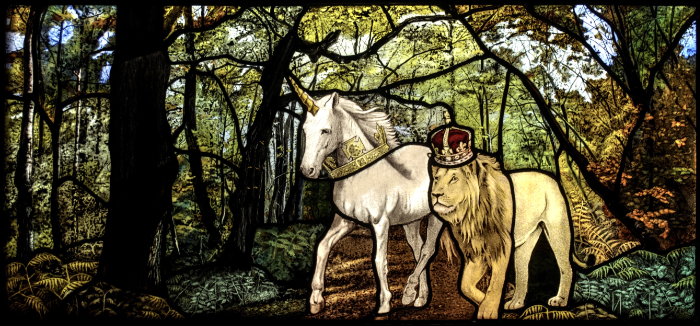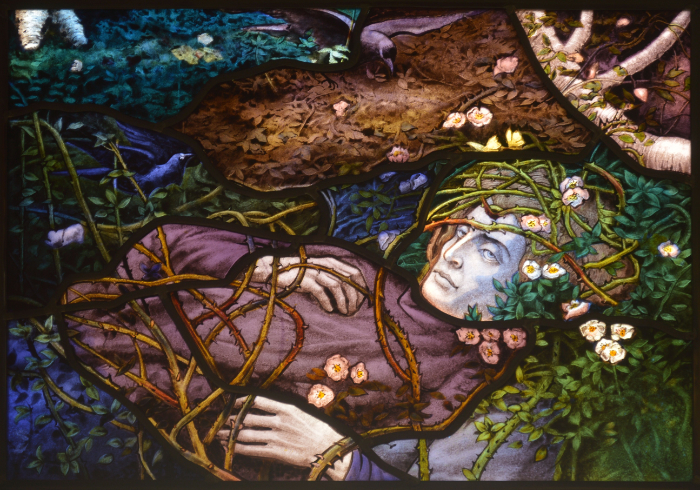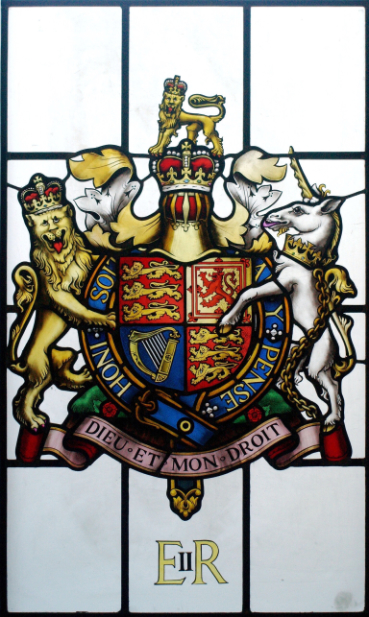
Heritage Crafts is offering a training bursary of up to £4,000 for new entrants and early-career craftspeople working in stained glass window making and conservation.
The award is supported by the British Society of Master Glass Painters to help cover or subsidise the cost of training for someone who would otherwise be prevented from pursuing this career path because of the cost.
Bursaries are for:
new entrants who have demonstrated a commitment to starting a new craft career and need to acquire the necessary hand skills;
early-career practitioners who have not yet attained the hand skills required to achieve commercial success; or
early- or mid-career craftspeople who need to acquire distinctly different hand skills to develop new ways of achieving commercial success.
Stained glass crafts include stained glass window making, glass painting within a stained glass context, and/or stained glass conservation.
What can this grant be used for?
You can apply for a bursary for any amount up to £4,000 which can cover or contribute towards the costs of:
apprenticeship-style training with a craftsperson/people;
attending a specialist training course (accredited or non-accredited);
undertaking a self-directed programme of training with one or more craftspeople;
the cost of specialist tools or materials, books or study materials, or supporting travel and accommodation (no more than 30 per cent of total budget).
The bursary cannot be used for general living expenses, research, promotional activities or anything else.
Apply by filling out the form via the link below. Video applications of no more than 15 minutes can also be made, which answer all of the questions in the form.
If you are looking for funding to help with craft training, education and skills development, consider applying for a grant from the Queen Elizabeth Scholarship Trust (QEST). The QEST charity has a mission to support makers and conservators at various career stages, strengthening the pipeline of talented craft professionals in the UK.
QEST supports contemporary and traditional craft, as well as the exploration of innovative techniques. It provides funding for education and training, with Scholarships of up to £18,000, Emerging Maker Grants of up to £10,000, and up to £12,000 towards an apprentice’s salary. Successful Scholars also receive a place on the Cockpit Professional Development Programme.
Training can take many forms, from traditional college courses to vocational one-on-one tuition with a master craftsperson, or a bespoke programme of short courses. If you’re looking to develop your skills and have identified training that will enable you to advance your craft practice, then one of QEST’s grants may be for you.
Many glass artists have received funding since QEST launched in 1990. For example, the Autumn 2025 cohort included Cathryn Shilling, who was awarded the Winch Design Scholar – Glasswork, Kiln Formed Glass grant. She will use this money to expand her technical expertise through advanced training with three master craftspeople: water, oil and glass gilding with Richard Walker in Hampshire; image and glass processes with Helen Slater Stokes in Oxfordshire; and airbrush and glass painting with Opal Seabrook in Hertfordshire.
QEST funding has provided an essential turning point for many QEST Alumni, and the organisation continues to support each craftsperson throughout their career, offering opportunities for exhibitions, collaborations and commissions through their extensive craft network.
The deadline for this latest round of applications is 18 February 2026 at 5pm.
If this is too soon, note that applications are open twice a year, with the Autumn round running from 15 July to 19 August 2026.
Founded in 1990, QEST has awarded £7.5 million to almost 900 craftspeople working across the UK in 130 different craft disciplines. It was established by the Royal Warrant Holders Association to celebrate the 150th anniversary of the Association and the 90th birthday of HM Queen Elizabeth, The Queen Mother. HM The King is the Charity’s Patron.
Photo: Shaping glass in the hot shop. Photo: Julian Calder, courtesy of QEST.
Maria Donnai uses taxidermy, porcelain and glass to create her ‘museological’ style. As she embarks on her first solo exhibition, Linda Banks finds out more.
You have a background in mixed media. What led you to start working with glass, ceramics and taxidermy?
I worked as a Veterinary Nurse for 25 years and this has definitely influenced my artistic practice. I returned to college as a mature student and during my studies I found that I wanted to create three-dimensional pieces. Drawing wasn’t enough on its own and I am absolutely rubbish with colour and paint, so I decided to have a play in the ceramics studio. I loved the clean “whiteness” of porcelain and initially focused on this. Then a hugely supportive technician suggested I tried making a glass feather for a particular project and that was it – I was hooked on glass.
Pate de verre and ceramic seaweed. Photo: Maria Donnai.
The taxidermy came about as a result of an unexpected Christmas present from my husband. I had a couple of days learning how to taxidermy a bird, which then became part of my MA research and was included in my final project. I enjoy visiting natural history collections and this, along with my veterinary background, has influenced my creative practice. My work has a museological style and I enjoy the challenge of combining different materials to create my own collections. I usually have several different things going on at once and tend to flit from one to another. I’m never bored or stuck for an idea!
Real and glass scallop shells. Photo: Maria Donnai.
What glass techniques have you used, and which do you prefer?
The glass technique that got me hooked was pate de verre. I have since tried some simple fusing (with poor results) and have also enjoyed making foam glass. Pate de verre is my favourite. Through trial and error, I have developed my own technique, but I am always experimenting and trying to push what I can do with glass powder.
Casting a feather in glass. Photo: Maria Donnai.Maria has developed her techniques using trial and error and pieces do not always go as planned – this is a failed firing of a feather. Photo: Maria Donnai.
Please tell us more about your creative approach. Do you draw your ideas out or dive straight in with the materials?
Maria makes careful and detailed drawings to help her understand the objects fully before progressing to other materials. Photo: Maria Donnai.
I start with an object – usually something that I have found on a walk, like a feather, shell or a piece of seaweed. I make detailed drawings from all angles, until I ‘know’ what it looks like. At this stage I don’t know what the finished piece will be. I tend to play about with porcelain, making multiple abstract forms that are inspired by the found object. Alongside this, I cast and start making glass versions. Eventually I find a piece or combination that I like and will then make several variations. My work is quite small and I prefer to make lots of little pieces that can be put together to form a collection. I’m often surprised by what works and what doesn’t.
What message(s) do you want to convey through your art?
I would like to draw attention to the fragility, beauty, and just plain weirdness of the natural world. In doing this I hope to encourage people to care more about nature and, hopefully, protect it.
What is your favourite tool or piece of equipment and why?
Well, I love my kiln – it’s an IKON V61GXR. I invested in a kiln that would work for the very high firing of porcelain and the very controlled firing of glass. It has taken me over a year to properly get to grips with it. Again, I have mainly learned through trial and error. Thankfully it is very efficient to run. I have to admit that I’m also a fan of Superglue!
Do you have a favourite piece or collection you have made? Why is it your favourite?
My favourite piece has to be the first grey pigeon feather that I made out of glass. I learned so much during the process and to finally get a piece that looked as I wanted was amazing. I have since been able to take these skills and apply them to making different pieces.
A pate de verre feather laid on porcelain bones. Photo: Maria Donnai.
Where do you show and sell your work?
I have my first solo show coming up at 87 Gallery in Hull. This is running from the end of January until 11 April 2026. Some of my work has been shown in the CGS online exhibitions and I have had a few pieces accepted into various local exhibitions. I was lucky enough to be selected to exhibit at the International Festival of Glass in Stourbridge as part of the new graduate awards. And my favourite glass feather went to Pittsburgh in the USA!
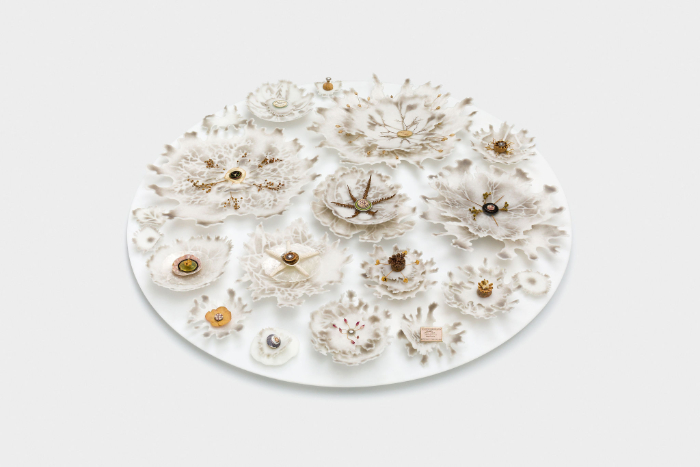
Deep Unknowns (2) features foam glass and porcelain and will be shown in Maria’s solo exhibition. Photo: Derek Donsworth.
Where is your creative practice heading next?
I have enjoyed the focus of working towards a solo show in a gallery and I would love to do more of that. I am continually experimenting with ways of making and combining glass with other materials and I have just been awarded a scholarship at Bild-Werk Frauenau in Germany. I intend to learn some new skills there and see how I can adapt them to fit my own practice.
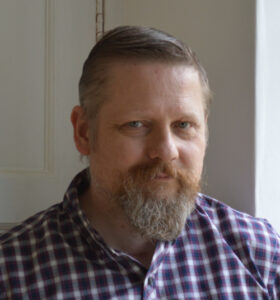
Maria Donnai in her studio. Photo: Courtesy Maria Donnai.
Find out more about Maria Donnai via her website: www.mariadonnai.co.uk and follow her on Instagram: @mariadonnai.
Main feature image: Maria Donnai’s ‘Deep Unknowns (1)’. Photo: Derek Donsworth.
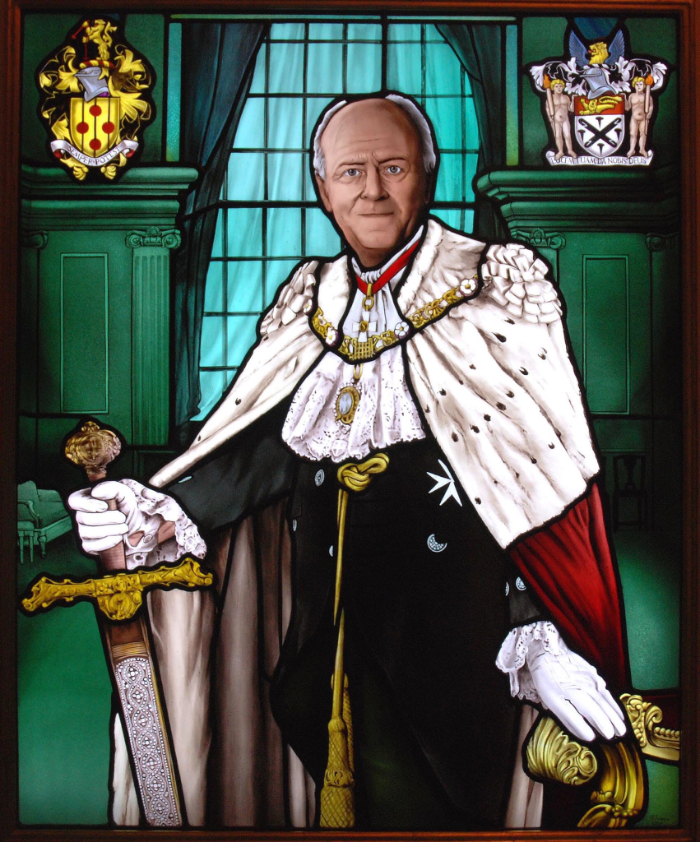
Once again, the Reflections of The Lord Mayor Stained Glass Roundel Design Competition is inviting entries for the 2026 edition.
This year marks the tenth edition of the series – 10 years of using stained glass as the commissioned memento at Reflections of The Lord Mayor. What began as a modest idea has grown quietly, year by year, through the generosity and engagement of the glass community.
The 2026 roundel commemorates the mayoralty of Alderman Alastair King DL, the 696th Lord Mayor of London (2024–2025). To acknowledge this milestone, there are a few changes to the competition this time: the roundel size has increased to 10 inches in diameter, and sustainability is now a formal requirement. This means that artists are invited to include a short Sustainability Note as part of their technical narrative. This may relate to material choices, use of offcuts, or reclaimed elements, lead and firing considerations, waste reduction, or guidance for long-term care and repair. It does not need to be complex, just informed and intentional.
The winner receives a £1,000 commission fee, a materials allowance of up to £250, as well as a visit to John Reyntiens MBE’s glass studio.
The call for entries opens on 1 February 2026 and the submission deadline is 31 March 2026 (17:00 UK time). The winning roundel will be unveiled at a Gala Evening in July 2026.
Jane Vincent previews a new exhibition featuring resident glassmakers and Just Glass members in Essex.
As we begin another year it is such a joy to be part of our community of glass artists, interlinked by so many organisations, sharing knowledge and enthusiasm for this wonderful medium. Sometime the serendipity of connections result in opportunities and the invitation to Just Glass artists to exhibit their work in Glasshaus XVIII at the Parndon Mill Gallery is just such an occasion. This renowned exhibition, in its 18th, year is part of the glass maker’s annual calendar and starts the year on a high for the 40 glass artists taking part.
Kate Pasvol’s winter five-piece panel of Snowdon. Photo: Mike Coles.
Many of you will have visited Parndon Mill for its exhibitions, classes or to commission work by its resident artists. The longevity of the Glasshaus series of exhibitions is testament to the history of Parndon Mill and its founder Sally Anderson, who, with Roger Lee, set up the Gallery.
‘Anima Mundi’ landscape by Teresa Chlapowski.
The Just Glass artists are proud to take part in this year’s Glasshaus XVIII alongside the Parndon Mill resident glass artists. The exhibition includes work not only in kiln formed glass, but also other techniques of blown, sand cast and leaded stained glass.
Just Glass: Alison Allum; Pippa Beveridge; Malvinka Bitelli; Isobel Brunsdon; Phillipa Candy; Teresa Chlapowski; Matt Durran; Miranda Ellis; Gary Fovargue; Cheryl Gould; Su Herbert; Susan Horler; Dot Hill; Manuela Kagerbauer; Sharon Korek; Monette Larson; Jessie Lee; Julie Light; Jane Lyons; Wendy Newhofer; Tracy Nicholls; Kate Pasvol; Purnima Patel; Jacque Pavlosky; Caroline Reed; Annie Ross; Jane Ross; Cathryn Shilling; Helen Slater Stokes; Angela Thwaites; Debbie Timperley; Joanna Waddy; Alison Vincent; Jane Vincent; Maria Zulueta.
Do come and see the wonderful diverse work at Glasshaus XVIII. It opens on Sunday 18 January and runs until Sunday 1 March 2026. Opening times are Tuesday–Friday 10.30am-4.30pm and Saturday and Sunday 2pm-4pm, or by appointment.
Address: The Gallery, Parndon Mill, Harlow, Essex CM20 2HP.
Ruth Shelley brings the palette and pattern of the world around her into her vibrant glass vessels and enjoys using gravity to transform her pieces. Linda Banks finds out more.
What led you to start working with glass?
After studying textiles at Art School and running my own knitting business for a while, I travelled Asia over a period of two years researching ikat fabric, which has always fascinated me. When I returned, with my head full of colour inspirations and designs, I stumbled across a stained glass course and, as soon as I joined, it was love at first touch! Immediately I realised that my background into colour and design suddenly made sense. The light reflecting on the glass touched me and made my heart sing. I had found my next career path.
‘Mwnt Duo’ vessels.
What glass techniques have you used, and which do you prefer?
I enjoyed working with stained glass but wanting to diversify. I attended numerous courses in kiln-formed glass run by Anne Rosendahl and Detlef Tanz in the Glass Department at the Swansea College of Art. Others which made a huge impression on me were a masterclass on colour, led by Steve Klein and Kaffe Fassett at North Lands Creative, and a colour lab course taught by Nathan Sandberg at the Bullseye Resource Centre. These really helped broaden my knowledge base. I explored kiln casting after attending a masterclass at North Lands Creative with Silvia Levenson and am currently exploring warm and hot glass techniques.
My current favourite technique is using the flow of glass when heated, especially as gravity affects the piece and colours and patterns transform from the initial fused piece, and with some colours only emerging at that stage.
Please tell us more about your creative approach. Do you draw your ideas out or dive straight in with the materials?
I am constantly inspired by colours whilst travelling or out walking. I take many photographs, which I transfer to a patchwork of watercolour representations when I return to my studio. Afterwards, I make fused glass samples, layering transparent over opaque glass, to find the most accurate representation, before making small, abstract watercolour sketches to get the balance of my palette correct. Collating all the information at my bench, I start a freehand approach balancing and layering coloured glass on a clear glass base to create patterns which represent my ideas, often hiding colours which will only emerge when gravity is applied. The work evolves as I work through the piece and I enjoy that freedom.
‘Peach of Mwnt’ collection.
What message(s) do you want to convey through your art?
My message is simple – I aim to share the joy and delight I find in the colours of the world around me. My goal is to express the captivating and often remarkable colours that catch my attention, whether revealed through careful observation or suddenly making a striking impression, such as during a stunning sunrise or sunset. I also inhabit a world filled with patterns, found in anything from numbers to nature to textiles. Capturing these colours and patterns from my surroundings and transforming them into glass that brings joy and excitement to others is incredibly fulfilling.
Ruth’s garden studio.
What is your favourite tool or piece of equipment and why?
My favourite tool is my simple glass cutter. It enables me to cut the shapes and colours of glass I need to build my work. Without it I could not express my vision in the glass.
Do you have a favourite piece or collection you have made? Why is it your favourite?
My current favourite is my Ghuncha Gul vessel, which combines my love of travelling, textiles and glass. It is based on a silk rug I brought back from a trip to Uzbekistan where I was researching evidence of Celtic influence on designs found along the Silk Road. I transferred the knotted design laboriously into small glass pieces, balancing each one, before it was fused and shaped into a vessel. It was exhibited as one of three of my vessels that were included in the British Glass Biennale Exhibition in 2024.
The ‘Ghuncha Gul’ collection.
Where do you show and sell your work?
Most of my work is sold via a limited number of galleries in England, Scotland and Wales including, since 2015, London Glassblowing. In addition, apart from CGS, I am also a member of Homo Faber; Contemporary Applied Art; and Makers Guild of Wales, all of which show and/or sell my work. A small amount of my work is available for sale on my website.
‘Cynefin Vessel’. Photo: Haydn Denman.
Do you have a career highlight?
These fused glass vessels feature designs inspired by a silk rug. The blue one, Sajda Gul, is featured in New Glass Review 45.
Winning the Glass Sellers’ Award at the British Glass Biennale in 2015 was a major milestone in my career, and accepting the award during an elaborate dinner at Mansion House in London was truly memorable. I am also grateful that my Uzbek-inspired piece, Sajda Gul, appeared in the latest New Glass Review 45, published by the Corning Museum of Glass, and that I had the opportunity to take part in a residency at Pilchuck Glass School.
Every award, grant, and publication I have received is deeply appreciated, as each contributes to my ongoing journey as a glass artist.
‘Source Bellflower’ features Ruth’s signature patterns against a purple background.
Where is your creative practice heading next?
I am currently engaged in my Pontio Project (‘Pontio’ meaning ‘bridging’ in Welsh), which is supported by an Arts Council Wales grant. The project focuses on the integration of hot and warm glass techniques, whilst also exploring the use of waste glass, which is an inevitable byproduct of producing my existing vessels. At present, the forms of my vessels are constrained by the kiln-formed process, and I am actively investigating methods to broaden their shapes and patterns. Initial experimental results have been encouraging, indicating potential for further skill development and establishing a solid foundation in hot glass disciplines. Additionally, I will be attending a masterclass led by Scott Chaseling at the Glass Hub, which is anticipated to provide significant benefit and contribute meaningfully to the progression of this project.
Main feature image: The ‘Rosebay Willowherb’ collection features Ruth Shelley’s bright and bold style. Photos: All by Ruth Shelley unless stated otherwise.
A pestle and mortar created from pate de verre glass and made by CGS member Keith Dymond has been shortlisted for the 8th John Ruskin Prize. Keith’s vibrant piece is among 93 selected from over 4,000 entries, which are set to be exhibited at the prestigious Trinity Buoy Wharf in the Docklands area of London, from 29 January to 21 February 2026.
The John Ruskin Prize is open to multiple disciplines of art and craft from around the world. With the values of the radical polymath John Ruskin at its core, the Prize has a growing reputation for supporting and promoting artists, designers and makers whose work defies easy categorisation.
The John Ruskin Prize was founded by The Guild of St. George in 2012, under the administrative umbrella of The Big Draw supported by the Trinity Buoy Wharf Trust. Over the years it has honoured painters, printmakers, designers, sculptors, photographers and a wide range of craftspeople.
In his lifetime, Ruskin was primarily famed not as an artist but as a writer, critic, outspoken social commentator and inspiring public lecturer. For him, “The greatest thing a human soul ever does in this world is to see something and say what it saw in a plain way.”
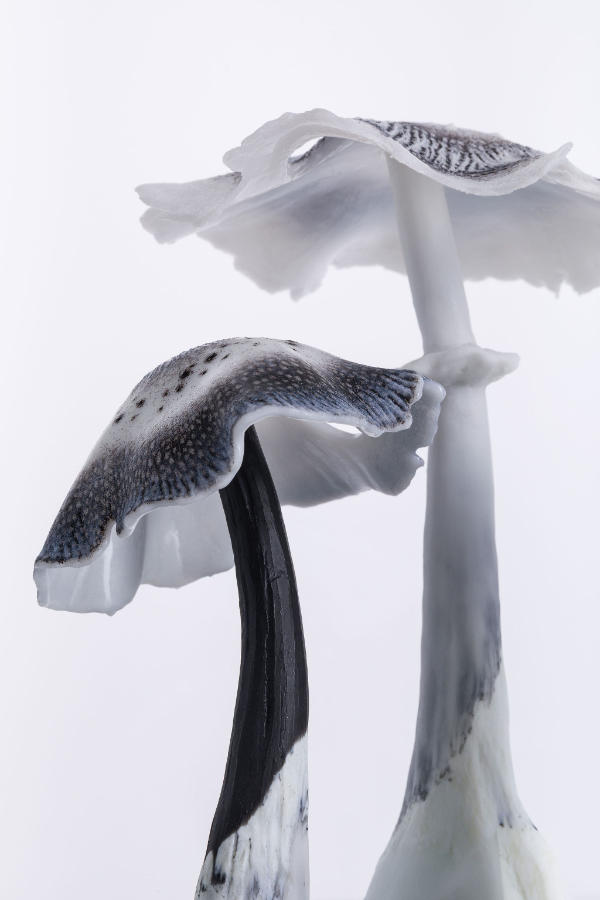
Keith Dymond’s shortlisted pate de verre glass entry, ‘Crushed and Boiled’. Photos courtesy of Keith Dymond.
Speaking about his entry to the Prize, Crushed and Boiled, Keith stated, “Crushed and Boiled explores the intersection of function and fragility, reimagining the familiar form of a mortar and pestle through the transformative lens of pate de verre glass. The organic rim and textured surface evoke both the energy of creation and the inherent vulnerability in the act of making. The graduated pestle, resting within, suggests a dialogue between strength and delicacy, utility and ornament.”
When considering this year’s theme, ‘Patience in Looking – Truth in making’, Keith felt his approach, both pre fusing and post fusing, resonated with Ruskin’s philosophy.
He explained, “The pre-fusing stage required PATIENCE, as pate de verre demands long, hand-driven, repetitive labour to create. TRUTH is maintained through the multiple processes of mould making, loading, casting, and cold working that can all introduce errors or flaws that remains visible with no place to cover or hide.”
Post fusing, he believes there is a TRUTH in the material qualities, fragility, translucency and delicacy and the tension created, along with PATIENCE in the observation of inter-bound layers which occur by NATURAL intent.
“By elevating a humble kitchen tool into the realm of sculpture, I invite viewers to reconsider the rituals of daily life and the objects that shape our experiences. The tactile surface and luminous colour are intended to provoke curiosity and invite touch, while the apparent fragility of the piece challenges our assumptions about durability and value. In this work, I seek to honour the beauty found in imperfection and the quiet drama of transformation.”
Trinity Buoy Wharf is at 64 Orchard Place, E14 0JW, London. Entry to the exhibition is free and it is open Wednesdays to Sundays. See the website here for more details.
Main image: Detail of ‘Crushed and Boiled’ by Keith Dymond.
Renowned international craft and design fair Collect returns to Somerset House in London in February 2026. Featuring international galleries and arts organisations presenting exceptional new work and materials innovation across many disciplines, it is an opportunity to see the latest in contemporary art and craft under one roof.
Among the 40 exhibiting galleries, dealers and collectives will be some who represent glass artists, include Peter Layton’s London Glassblowing, Cavaliero Finn, Contemporary Applied Arts, DESIGN-NATION, Gallery FUMI, and the Society of Designer Craftsmen.
In addition, 11 cutting-edge artists have been selected for Collect Open, and will create projects especially for the fair that push their practices to the next level. None of those selected for 2026 work in glass, but their pieces are sure to be talking points.
Collect runs from 27 February – 1 March 2026, with tickets going on sale in mid-January. Opening times are:
Wednesday 25 February 14.00-21.00 (Collectors’ Preview by invitation only) Thursday 26 February 11.00-21.00 (Preview) Friday 27 February 11.00-20.00 Saturday 28 February 11.00-18.00 Sunday 01 March 11.00-17.00.
CGS Chair Sarah Brown reviews her latest glass-focused visit to Japan – via Shanghai – a decade after her first trip in collaboration with the Naked Craft Project, which connects and strengthens ties between British and Japanese contemporary artists.
The Contemporary Glass Society (CGS) has partnered with the Naked Craft Project in Kobe, Japan for the past 10 years. Nobuyasu Yoshida, a glass artist based there who came to the UK to study glass at The University of Creative Arts – and became a member of CGS – has continued to forge an international connection to the UK through this project.
The opening party in 2015, with Sarah Brown on the left.
I was fortunate enough to be the first UK glass artist to go to Kobe in 2015, to run a glass workshop from his studio, and to show work in an exhibition of glass and ceramics at an immersive arts festival in Shin Nagata. It was an experience that has stayed with me ever since, and I hoped that one day I would be able to go back and be a part of it again.
Since then, CGS members Nina Casson McGarva, Griet Beyaert and Paul Miller and Yi Peng have travelled to Japan for a variety of residencies and events as a part of this project. We hope that other members will be able to participate in the future (possibly in 2027), but each year it depends how much funding is available.
Nobuyasu invited me to return to Kobe to celebrate the tenth anniversary along with glass artist Karen Browning. We exhibited in a fantastic exhibition at the Kobe Kitano Museum, alongside many artists from the UK and Japan. It was a joyful celebration of glass and international relationships. The opening featured speeches both in Japanese and English, canapes inspired by British and Japanese food and, of course, Sake and sparkling wine to celebrate the two nations, plus a pianist whose music mesmerised us.
Yukiko Sugano’s glass art on display at Kitano Museum.
Dominic Fonde, a CGS member who lives in Kobe, was there exhibiting his beautifully engraved glass art. It was lovely to meet him and the other glass artists, including Yukiko Sugano and Chika Kato, as well as Carolyn Davidson, who is the British Consul General in Osaka.
Etched glass portrait of Eriko Kanda wearing a face mask, from a series made during the COVID-19 pandemic by Dominic Fonde. Photo: Dominic Fonde.
Chinese highlights
Our trip to Japan was preceded by a stop in Shanghai, China, where we visited the Shanghai Museum of Glass. It was spectacular and immersive, sharing the science of glass and stunning pieces from a wide range of artists; everywhere you looked there was more to discover.
Liuli Museum of Glass at night.
We also visited the Liuli Museum, where Karen’s piece ‘Double Take’ is part of the collection, which was lovely to see. We met Loretta Yang, an accomplished glass artist and one of the founders of the museum, and talked to her about the similarities and differences between working in glass in the UK compared to China, particularly the large-scale glass processing available to her in China. We were able to see her pieces up close, and hear about her inspirations and favourite pieces in her collection from a wide range of artists.
Loretta Yang (left) chatting to Karen Browning next to Karen’s art piece ‘Double Take’.
We then continued on to Kobe, meeting Nobuyasu and his friends for a tour around Kobe. We visited the Carpentry Museum and his studio and were able to appreciate so many different kinds of craftmanship. Of course, we also got to try Wagyu Beef, fresh tuna and okonomiyaki (a savoury pancake often called ‘Japanese pizza’), as a trip to Japan is not a trip to Japan without these!
We also had a little time to indulge my curiosity about Shokuhin Sanpuru, the fascinating fake food culture that uses silicone and other secret ingredients to create plates of realistic food that are displayed outside restaurants across Japan. We visited Design Pocket in Osaka, which was filled to the rafters with all sorts of different foods, from ramen to melon balls, burgers to jam on toast. We also had a go at making some ourselves. I created a fruit parfait and Karen made sushi. It was quite refreshing to be creating food from slightly easier materials than the glass I use myself!
We rounded off the trip with visits to Kyoto and Tokyo, both of which were filled with so much food and creative experiences. We went to Toyusu Fish Market to the Tuna Auction, TeamLab Planets Immersive digital experience, to shrines and temples as well as some wonderful art shops.
A glass artwork at a train station in Tokyo.
Our time there was just not long enough, but we returned bursting with ideas for new work, and a longing to experience more of the creative scene of Japan in the future.
I hope that we can continue to strengthen this international connection with Japan in the future, and look forward to seeing Nobuyasu and some of the other artists at different glassy events across the world.
Main feature image: Karen Browning (left) and Sarah Brown with their fake food creations, made at Design Pocket in Osaka. All photos courtesy of Sarah Brown, unless otherwise noted.
CGS Chair Sarah Brown reviews an interesting and informative gathering at this top London museum.
What a day it was on Friday 5 December 2025! Over 100 people met at the Hochauser Auditorium at the Victoria and Albert (V&A) Museum, London, for the Contemporary Glass Society’s ‘Narratives in Glass: An Artist’s Perspective’ event, hearing from four incredible speakers who use storytelling in many different ways within their work.
Sarah Brown (left) and Helen Slater Stokes with Dale Chihuly’s glass chandelier in the background at the V&A Museum.
The V&A’s Reino Liefkes, Senior Curator, Ceramics and Glass, and Kate Devine, Assistant Curator, kindly invited us to celebrate all things glass in an inspiring day of talks from Jeff Zimmer, Karen Browning, Moonju Suh and James Maskrey. Each spoke about the underlying themes that run through their work, finding their voice within their practice, how they became captivated by glass as a medium, and their own perspectives of life and being an artist today.
In addition, CGS Administrator Dr Helen Slater Stokes and I described our glass practices and ways of working with narrative. Katharine Coleman MBE shared a celebration of the work of Nancy Sutcliffe, who sadly passed away this year. She was a brilliant glass engraver with her unique style and ideas and also featured spectacular narratives within her work. It was a beautiful tribute and we learned a lot about her life and adventures. She will be greatly missed.
Reino Liefkes presenting the Museum’s glass collection to CGS members as part of the event.
Within the day’s programme we also had time to network over coffee and lunch, as well as over a few drinks at the pub afterwards. However, before we went to the pub there was an exciting opportunity to have tours of the V&A glass collection, led by Reino. He shared his favourite pieces, highlighting important works that have changed glassmaking over the years, and pointed out works by many contemporary artists, including James Maskrey, Jeff Zimmer, and a new acquisition, displayed for the first time that week, from Karen Browning and Jon Lewis.
The V&A’s glass collection holds a diverse array of glass artworks.
The day was filled with a buzz of excitement as we heard from the speakers, viewed the collections, met old friends and made new ones.
We can’t wait for the events coming up in 2026, where we will continue to foster connections in our community and share more about the many practices, ideas and processes within glass.
Main image: The four speakers, Jeff Zimmer, Karen Browning, Moonju Suh and James Maskrey. Photos: Courtesy of Sarah Brown.
This website uses cookies to improve your experience while you navigate through the website. Out of these cookies, the cookies that are categorized as necessary are stored on your browser as they are essential for the working of basic functionalities of the website. We also use third-party cookies that help us analyze and understand how you use this website. These cookies will be stored in your browser only with your consent. You also have the option to opt-out of these cookies. But opting out of some of these cookies may have an effect on your browsing experience.
Necessary cookies are absolutely essential for the website to function properly. This category only includes cookies that ensures basic functionalities and security features of the website. These cookies do not store any personal information.
Any cookies that may not be particularly necessary for the website to function and is used specifically to collect user personal data via analytics, ads, other embedded contents are termed as non-necessary cookies. It is mandatory to procure user consent prior to running these cookies on your website.