
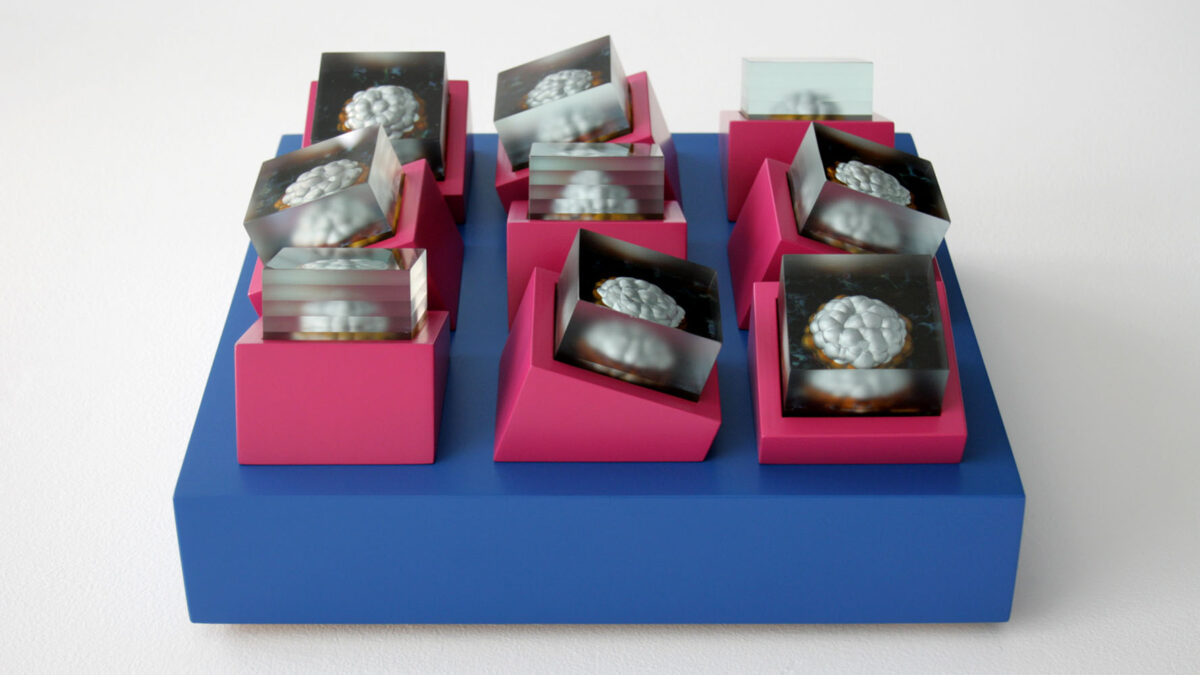
Renaissance man
Glass artist Stacey Poultney talks about the evolution of his practice and his aspirations to make brutalist-inspired, kinetic pieces, drawing on his varied craft and engineering skills.
Glass has been a lifelong passion of mine, with stained glass being my first and most direct way of working creatively with the material. While I continue to undertake select stained glass and dalle de verre projects within my personal practice, my focus is mainly on producing three-dimensional glass, an area that has drawn my interest throughout my career. I strongly believe in the importance of recontextualising stained glass, or aspects of it, in order to preserve these skills and maintain their relevance today.
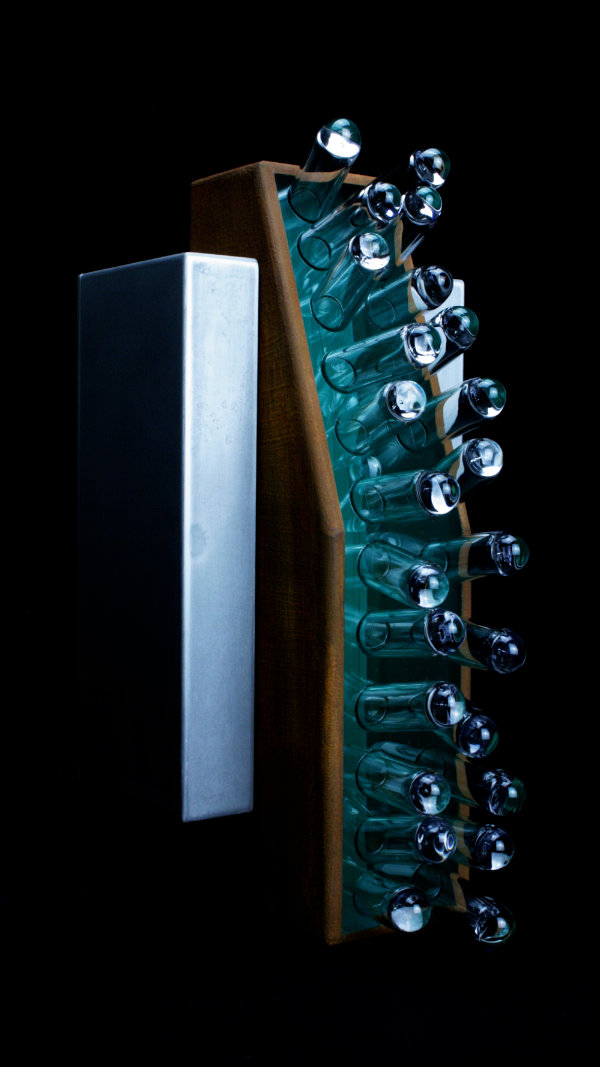
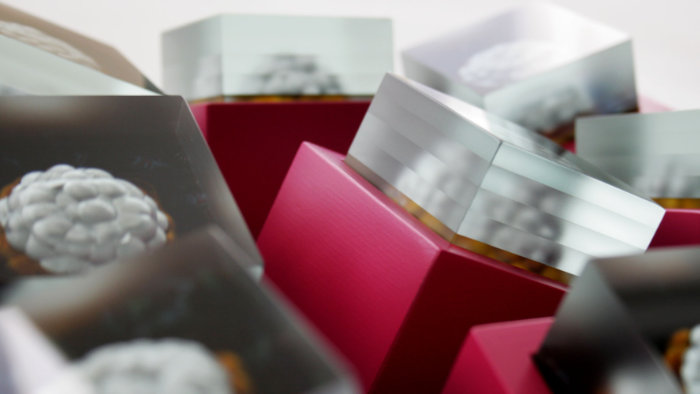
My knowledge of flat glass, together with bonding and coldworking techniques, enables me to construct layered sculptures that explore depth and structure. These approaches are central to the approach to my latest body of work. My glass process is supported by my skills in mechanical engineering, metalworking, machining, and woodworking, which play a key role in how the works are built and presented.
The current format of my work is massively rewarding, as I am progressively enhancing the scale and complexity of each completed glass work in combination with materials commonly found in industrial settings. Utilising my broad skill set, I have begun fabricating systems that facilitate the transition from static glass works to automated installations, whether for gallery display or exterior spaces.
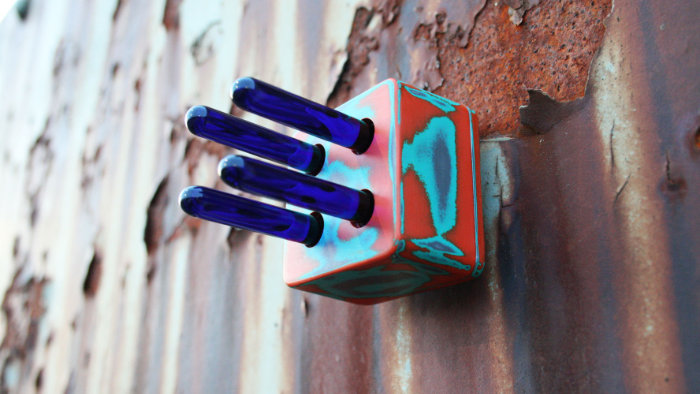
My work draws inspiration from graffiti culture, urban decay, brutalist architecture, and industrial design. I am particularly interested in the contrast between rigid, repetitive structures and the unpredictable patterns of decay. Float glass, commonly used in architectural glazing, forms the foundation of my latest work and is chosen for its subtle tint and uniformity.
Design process
I begin every project by mentally resolving 3D challenges, often visualising the finished glass piece in its individual components before any physical work begins. This process is supported by spending hours producing complex, geometric hand drawings. My drawings rarely resemble the final glass piece, but they allow me the time to mentally unpack and refine ideas.
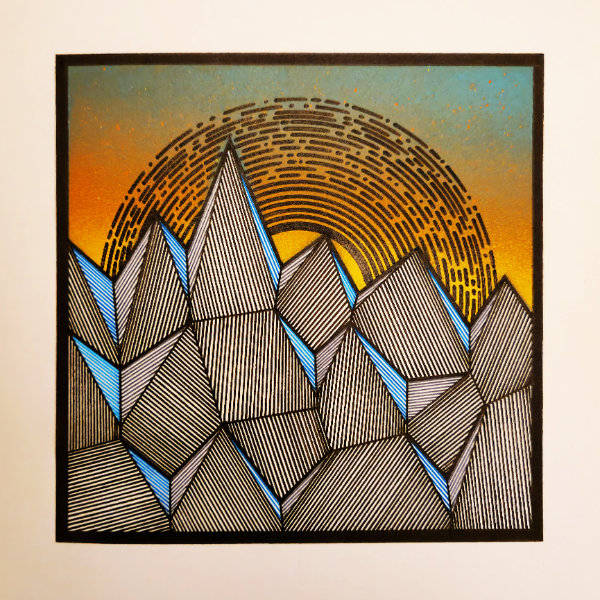
To maintain precision throughout the making process, I produce detailed technical layouts and 2D plans that incorporate the fixings and enclosures integral to the presentation of my work. I enjoy working to fine tolerances and do not compromise on quality. I also design and build project-specific jigs to support complex bonding processes and facilitate accurate cold-working at precise angles. These bespoke tools enable me to achieve consistent, repetitive forms within a single piece, a technical challenge I particularly enjoy.
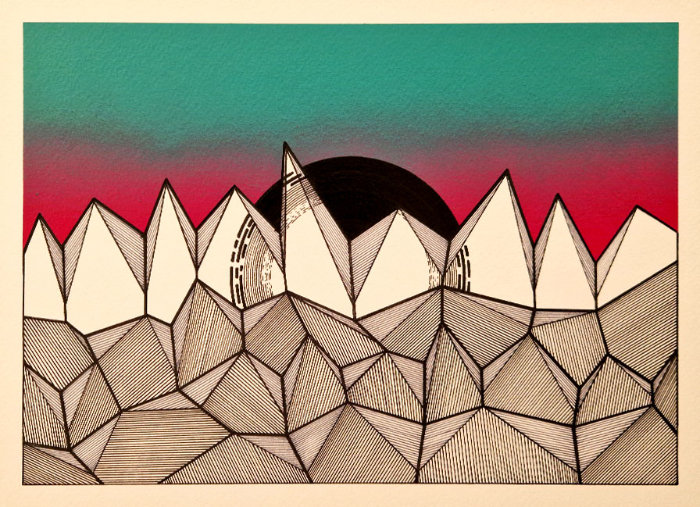
Glass offers a wide range of optical qualities, and I use these intentionally by controlling opacity throughout the material rather than relying solely on surface finishes. Drawing on my background in stained glass, I kiln-fire silver stain and glass paint across multiple layers to introduce controlled colour and varying levels of opacity. Each firing is carefully managed to minimise surface distortion and texture, ensuring the accuracy required for strong, tightly bonded laminations.
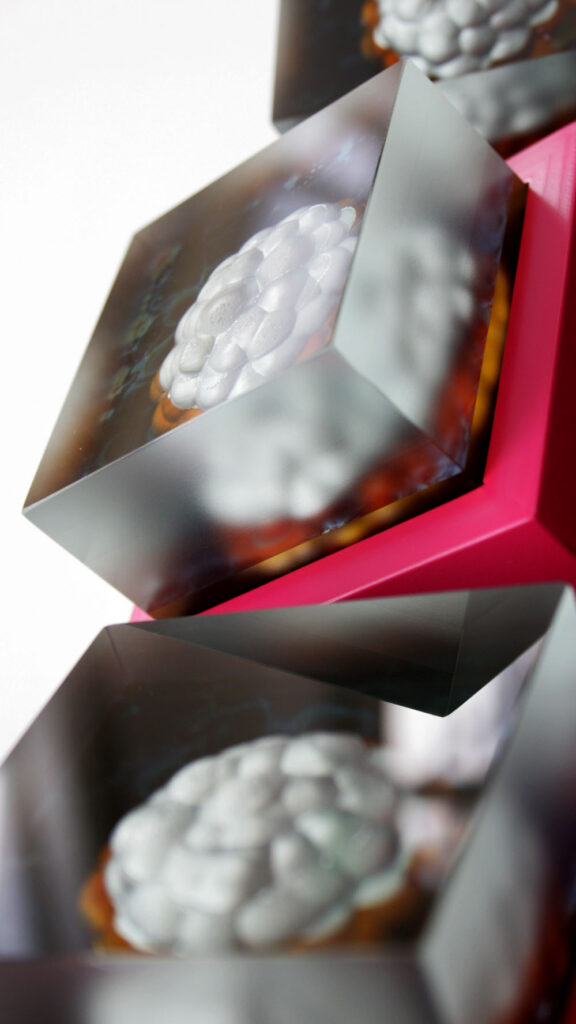
Rather than accepting the traditional high gloss finish associated with glass, I use surface treatments to shape how the work is experienced. For example, a large glass cube may be finished to 360 grit on five faces to obscure its detailed core, while one highly polished face provides a clear focal point looking into the internal structure.
Practice evolution
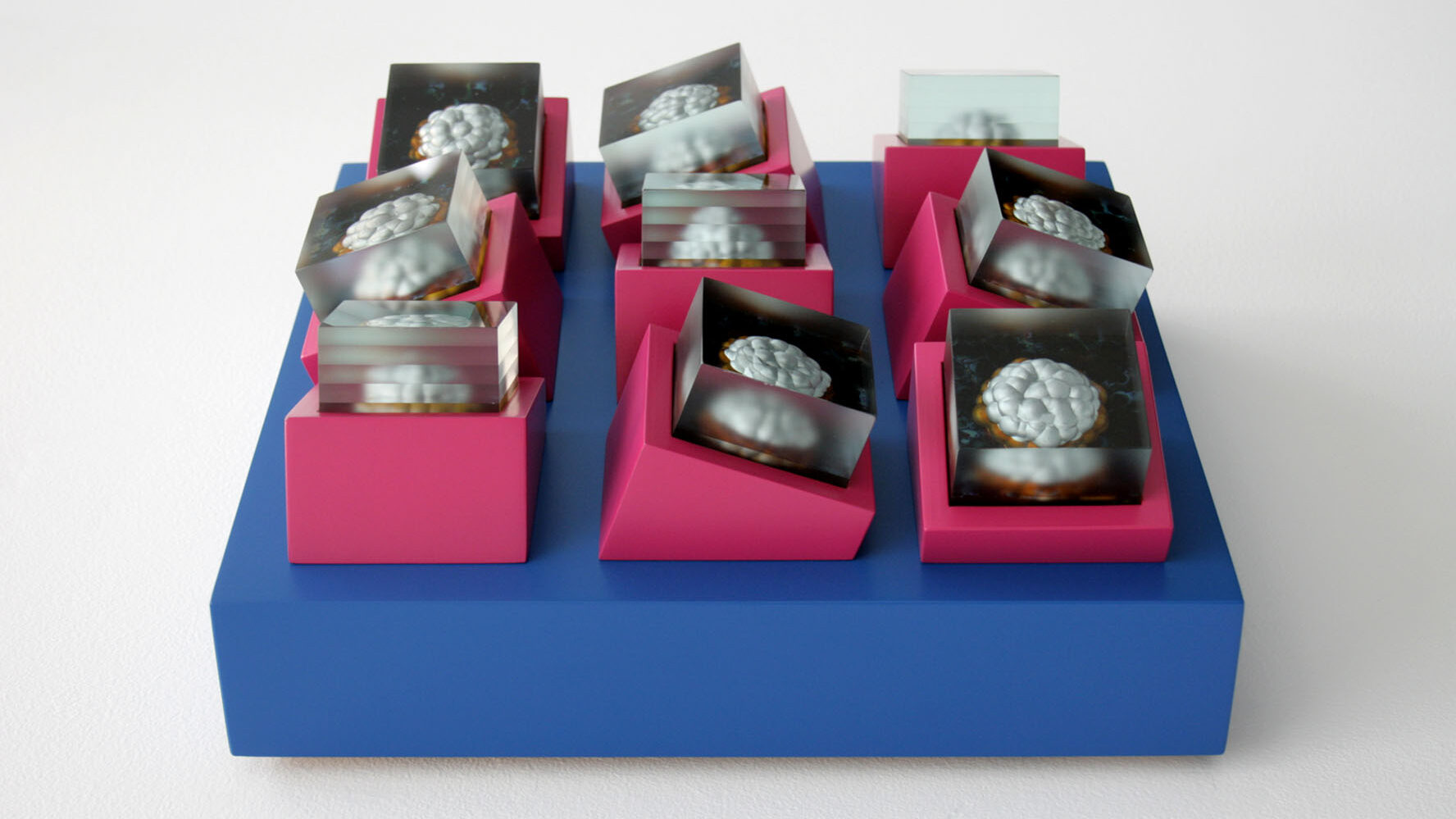
The images in this article show completed works that I have made to exhibition standard. While I value them as individual pieces, I increasingly see them as early versions of a larger concept that is now shaping the direction of my personal practice.
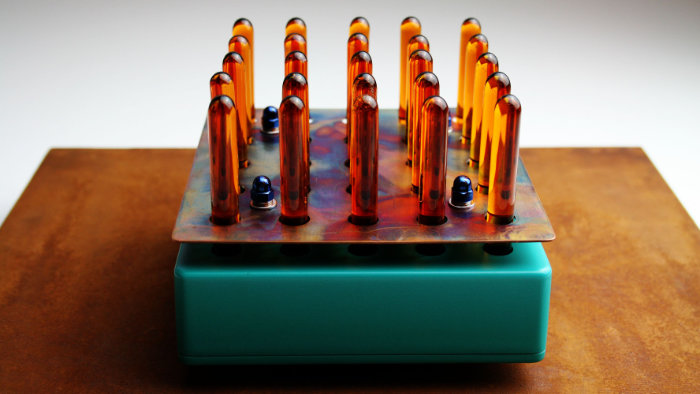
This will be a significant shift towards creating mechanical glass installations, as opposed to what would traditionally be a stationary collection of glass sculptures. I am currently designing and making the mechanical components before integrating the electronics, pulleys and belt systems that will bring the works into motion. Once the mechanisms are complete, I shall produce the glass elements, similar in character to my piece ‘Urban Echoes’, which will rotate at very slow speeds to reveal constantly changing perspectives.
My fascination with glass extends beyond the finished object. I am inspired by every stage of its journey, from the extraction of its raw materials and the immense energy required to produce it, through to the physically demanding processes of making and, in my case, cold working, to achieve as high a controlled finish as possible. This brings together my deep appreciation of craftsmanship with engineering, mechanics and electronics, reflecting the interdisciplinary approach that has become central to my practice.
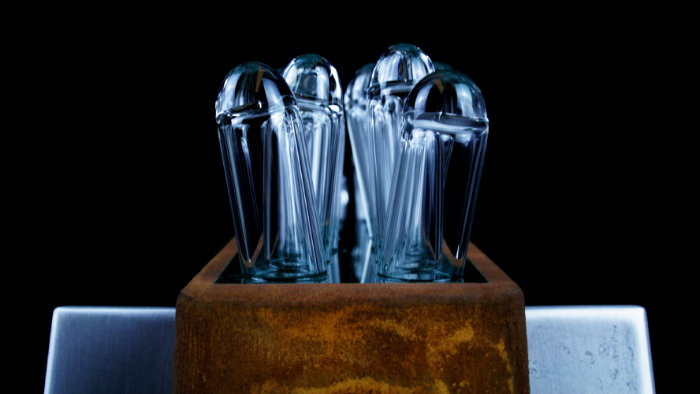
Glass sculpture often offers only a limited number of viewpoints. By introducing movement, I want the new work to reveal itself gradually, allowing viewers to experience changing forms, reflections and details that would otherwise remain hidden. Rather than presenting glass as a static object, I want to create installations that evolve through motion and encourage a more immersive relationship between the artwork and its audience.
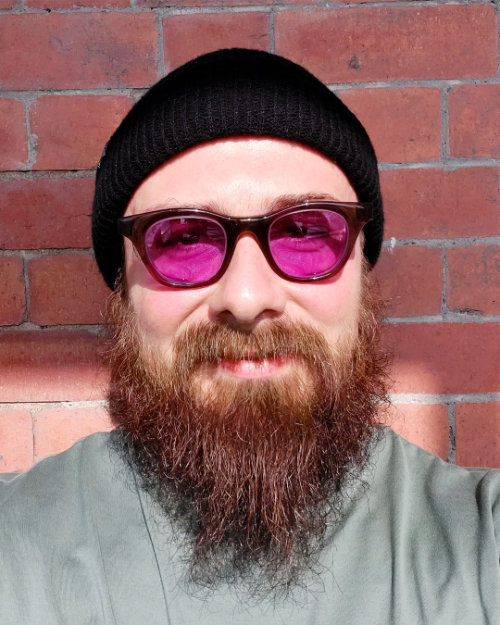
About the artist
I’ve worked in higher education for the past 17 years as a glass practitioner in my own capacity. I have completed major commercial glass projects in diverse settings, including world heritage sites, national museums, as well as religious and contemporary buildings. I also deliver content on a degree programme, specialising in stained glass, dalle de verre, architectural glass, glassblowing and contemporary glass practices.
Find out more about Stacey and his glass work via Linktree: https://linktr.ee/staceypoultney and Instagram: @staceypoultney
Main feature image: ‘Urban Echoes’ demonstrates Stacey’s many skills in glass and engineering. All images courtesy of the artist.
Related Articles
09-07-2026
Renaissance man
06-05-2026